The Art of Spun Aluminum Unlocking the Secrets of Metal Spinning
Understanding Spun Aluminum and Its Applications
What is Spun Aluminum?
Spun aluminum forms through the metal spinning process where fabricators clamp a flat aluminum disc against a rotating mandrel and apply pressure with specialized tools to shape it into cones, cylinders, or hemispheres. This technique produces seamless parts without welds or joints that weaken structures under stress. Workers start with annealed aluminum sheets and gradually deform the material at high speeds while maintaining even wall thickness. Spun aluminum differs from casting or forging because it preserves the original grain structure and delivers superior surface finishes straight from the lathe. Fabricators often polish the final pieces to a bright luster that resists corrosion in exposed environments. The process handles both pure aluminum and various spun aluminum alloys that add strength without sacrificing formability. Operators monitor heat buildup during spinning to prevent cracking, especially when forming deeper profiles. Modern CNC lathes allow precise control over tool paths, which expands design possibilities for complex contours previously limited to manual methods.
Common Uses of Spun Aluminum in Industries
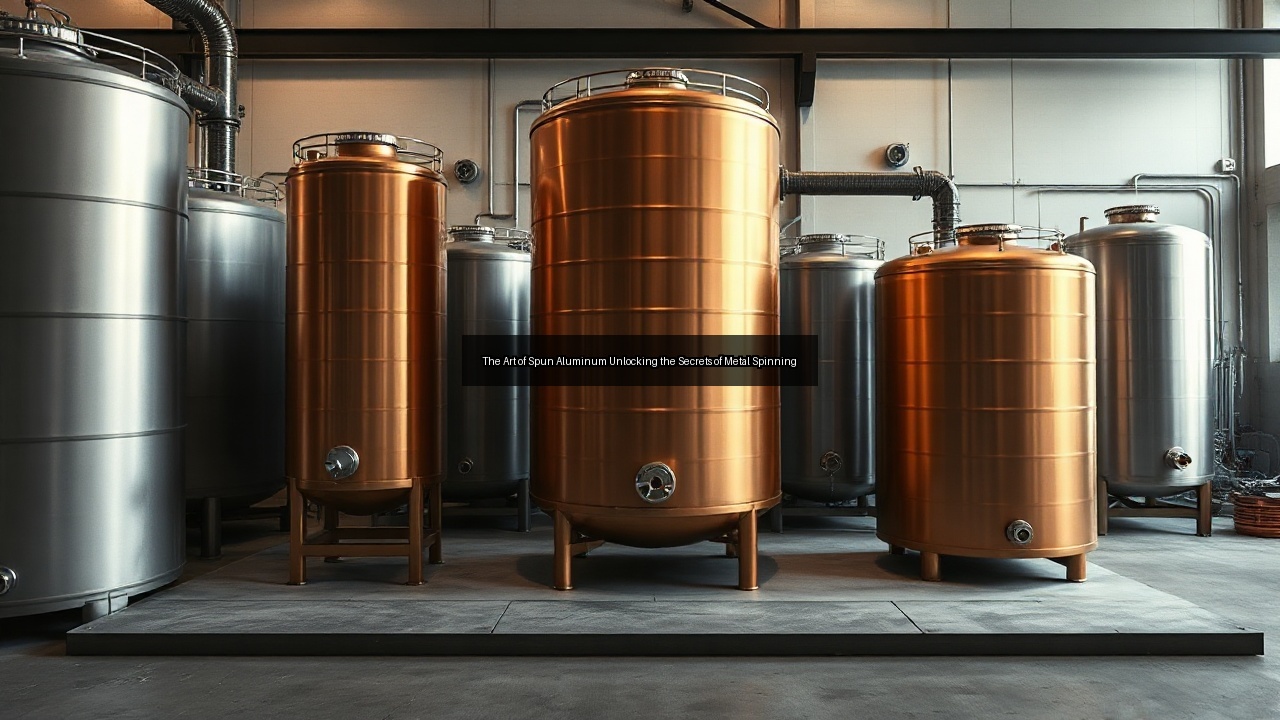
Manufacturers rely on spun aluminum for lightweight tanks that store fuels, chemicals, and compressed gases across aerospace, automotive, and chemical processing sectors. These tanks benefit from the material's corrosion resistance and low density, which reduces overall vehicle weight and improves fuel efficiency. Lighting reflectors, HVAC components, and decorative architectural elements also feature spun aluminum because the spinning method creates smooth interiors that promote even airflow or light distribution. In the food industry, spun aluminum vessels and bowls meet sanitary standards due to their seamless construction that eliminates crevices where bacteria accumulate. Marine applications include radar domes and deck hardware where spun aluminum withstands saltwater exposure without rapid degradation. Industrial equipment such as funnels, hoppers, and pressure vessels incorporates spun aluminum to handle high-volume production runs at lower tooling costs compared to stamping dies. Custom fabricators produce prototype parts rapidly by adjusting mandrel shapes on the fly, which accelerates product development cycles in electronics enclosures and medical device housings.
Advantages of Using Spun Aluminum Over Other Metals
Spun aluminum delivers a superior strength-to-weight ratio that outperforms steel and many copper alloys in applications where mass reduction matters most. The metal spinning process work-hardens the aluminum during forming, increasing tensile strength without additional heat treatment steps. Fabricators achieve tighter tolerances on diameters and wall thicknesses than typical casting methods allow, which reduces secondary machining and material waste. Spun aluminum maintains excellent thermal and electrical conductivity, making it ideal for heat exchangers and electrical housings that require efficient energy transfer. Unlike heavier metals, aluminum parts lower shipping expenses and simplify installation for large tanks or reflectors. The process supports rapid iteration because mandrels cost far less than progressive dies used in metal stamping. Surface finishes from spinning often eliminate the need for extensive polishing, saving labor hours on visible components. Corrosion resistance inherent to aluminum alloys further extends service life in outdoor or chemical environments where copper or steel would require protective coatings.
The Metal Spinning Process: A Step-by-Step Guide
Overview of the Metal Spinning Technique
The metal spinning technique begins with mounting a pre-cut aluminum blank onto a spinning lathe mandrel that matches the interior profile of the desired part. The operator engages the lathe at controlled RPM while using rollers or spoons to apply localized pressure that flows the metal outward or inward along the mandrel contour. Multiple passes gradually reduce the blank diameter and increase wall height until the final shape emerges. Intermediate annealing restores ductility when work hardening stiffens the material beyond workable limits. Skilled spinners monitor wall thickness with calipers throughout the process to maintain uniformity within tight specifications. The technique accommodates both manual and CNC-controlled equipment, with the latter providing repeatable accuracy for production volumes. Post-spinning operations include trimming excess material, flanging edges, and applying protective finishes. This method creates parts with continuous grain flow that enhances fatigue resistance compared to welded assemblies.
Materials Used in Metal Spinning
Aluminum stands out among materials used in metal spinning due to its favorable combination of ductility, low density, and availability in multiple tempers. Pure aluminum grades spin easily into shallow forms, while heat-treatable alloys such as 6061 and 5052 provide higher strength for structural tanks and pressure vessels. Fabricators select thickness based on final part requirements, typically ranging from 0.032 inches for decorative pieces to 0.250 inches for heavy-duty hoppers. Lubricants applied during spinning reduce friction and prevent galling on the mandrel surface. Other metals like copper and stainless steel also undergo spinning, yet aluminum dominates when weight savings and cost efficiency drive material selection. Pre-polished aluminum sheets allow finished parts to exit the lathe with minimal additional surface work. The process tolerates recycled aluminum content without compromising formability, supporting sustainable manufacturing goals across industries that demand lightweight components.
The Role of Aluminum Alloys in Spinning
Aluminum alloys play a central role in spinning because specific compositions balance formability with final mechanical properties. Non-heat-treatable alloys like 1100 and 3003 excel in deep drawing operations where maximum elongation prevents tearing during aggressive tool passes. Heat-treatable options such as 6061-T0 start in the annealed condition for spinning and receive aging treatment afterward to reach desired strength levels for load-bearing tanks. Alloy choice influences spinning speeds, tool pressure, and annealing frequency, with higher-strength grades requiring more careful process control. Spun aluminum alloys retain excellent weldability for attaching fittings or flanges after forming. Engineers specify particular alloys to meet corrosion requirements in marine or industrial settings where standard grades would degrade prematurely. The versatility of these alloys allows one spinning setup to produce parts ranging from thin reflectors to robust pressure vessels by simply changing blank thickness and alloy temper.
Design Considerations for Spun Aluminum Products
Designing Spun Aluminum Tanks
Engineers designing spun aluminum tanks focus on wall thickness distribution to withstand internal pressures without excessive material use. The metal spinning process naturally produces thicker walls near the base and thinner sections at the top, so designers locate high-stress zones accordingly. Flange widths and radii must accommodate tool access during forming to avoid material thinning. Internal baffles or mounting bosses often require secondary operations because spinning creates hollow forms without internal features. Volume calculations account for the seamless construction that eliminates leak paths common in fabricated steel tanks. Surface treatments such as anodizing enhance corrosion protection inside chemical storage tanks while preserving the lightweight advantage of aluminum. Designers specify draft angles on mandrels to facilitate part removal after spinning and reduce the risk of surface marring on finished tanks.
Factors Influencing Design Choices
Material thickness, part depth, and diameter ratios directly influence design choices for spun aluminum components. Deeper parts demand multiple spinning passes and intermediate annealing to maintain ductility, which extends production time and cost. Diameter-to-thickness ratios above certain limits require thicker starting blanks to prevent wrinkling during forming. Surface finish requirements dictate whether manual or CNC spinning delivers acceptable results without additional polishing. Load conditions determine alloy selection, with structural tanks needing higher-strength grades than decorative spinnings. Tolerance stack-ups from mandrel wear and material springback require careful compensation in the design phase. Environmental exposure guides decisions on post-spinning coatings or anodizing to protect against oxidation in outdoor installations.
Customization in Spun Aluminum Applications
Customization thrives in spun aluminum applications because mandrel changes cost far less than new stamping dies, enabling economical short runs of unique tank sizes or reflector shapes. Fabricators modify tool paths on CNC equipment to produce variations in wall contours or add decorative beads without retooling. Clients request specific flange patterns, mounting holes, or surface textures that integrate directly into final assemblies. Rapid prototyping through spinning allows validation of fit and function before committing to high-volume production methods. Hybrid approaches combine spinning with machining or welding to incorporate features impossible to form solely on the lathe. This flexibility supports industries that need tailored lightweight components without the lead times associated with metal stamping setups.
Cost Analysis of Spun Aluminum vs. Other Metal Forming Techniques
Comparing Costs: Spinning vs. Metal Stamping
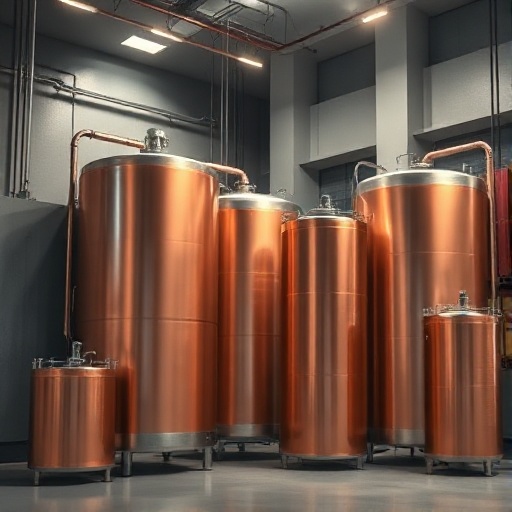
Spinning versus metal stamping reveals clear cost advantages for low-to-medium production volumes where tooling amortization dominates expenses. Metal stamping requires expensive progressive dies that become economical only after thousands of parts, while spinning uses inexpensive mandrels that suit runs as small as dozens. Setup times favor spinning for custom or prototype work because operators adjust programs rather than change heavy die sets. Material utilization improves with spinning since the process generates minimal scrap compared to blanking operations in stamping. Labor costs remain competitive because skilled spinners complete complex shapes in fewer operations than multi-stage stamping sequences. For spun aluminum tanks and reflectors, the absence of weld seams eliminates inspection and finishing steps required in fabricated alternatives.
Long-Term Economic Benefits of Spun Aluminum
Long-term economic benefits of spun aluminum stem from reduced part weight that lowers transportation and handling expenses throughout the supply chain. Seamless construction minimizes leak testing and warranty claims on tanks compared to welded assemblies. The durability of properly finished spun aluminum extends replacement intervals in corrosive environments, improving return on investment for industrial users. Lower initial tooling investment allows manufacturers to respond quickly to market changes without sunk costs in obsolete dies. Energy savings during forming arise because spinning operates at room temperature for most aluminum alloys, avoiding the heating cycles needed in some alternative processes. These factors compound over the product lifecycle to deliver measurable savings beyond the initial purchase price.
Factors Affecting the Cost of Spun Aluminum Production
Several factors affect the cost of spun aluminum production, beginning with blank material price fluctuations tied to global aluminum markets. Part complexity drives labor hours through the number of spinning passes and annealing cycles required. Diameter and depth influence machine selection, with larger parts needing heavier-duty lathes that carry higher hourly rates. Surface finish specifications add polishing or coating steps that increase total expense. Order volume impacts per-piece pricing because setup and programming costs spread across more units on larger runs. Alloy grade selection also plays a role, as higher-strength spun aluminum alloys command premium material costs but may reduce wall thickness and overall weight. Quality requirements for pressure vessels add testing and certification expenses that standard decorative spinnings avoid.